What makes the Breathe Method different?
Someone asked me recently how the Breathe Method - my signature approach to Pilates and the method taught at my studio - is different from other methods.
I want to be clear that the Breathe Method does not change Pilates - it adds to it. It takes what is already an incredible method of movement and turns it into a practice that equally strengthens and supports the mind.
Notice that I didn’t say ‘also’ strengthens and supports the mind? The word ‘equally’ here is both intentional and illuminating. It reveals the main goal of my Method: to ensure that time spent on the mat leaves clients feeling not only physically stronger, but also calmer, more grounded, confident and resilient.
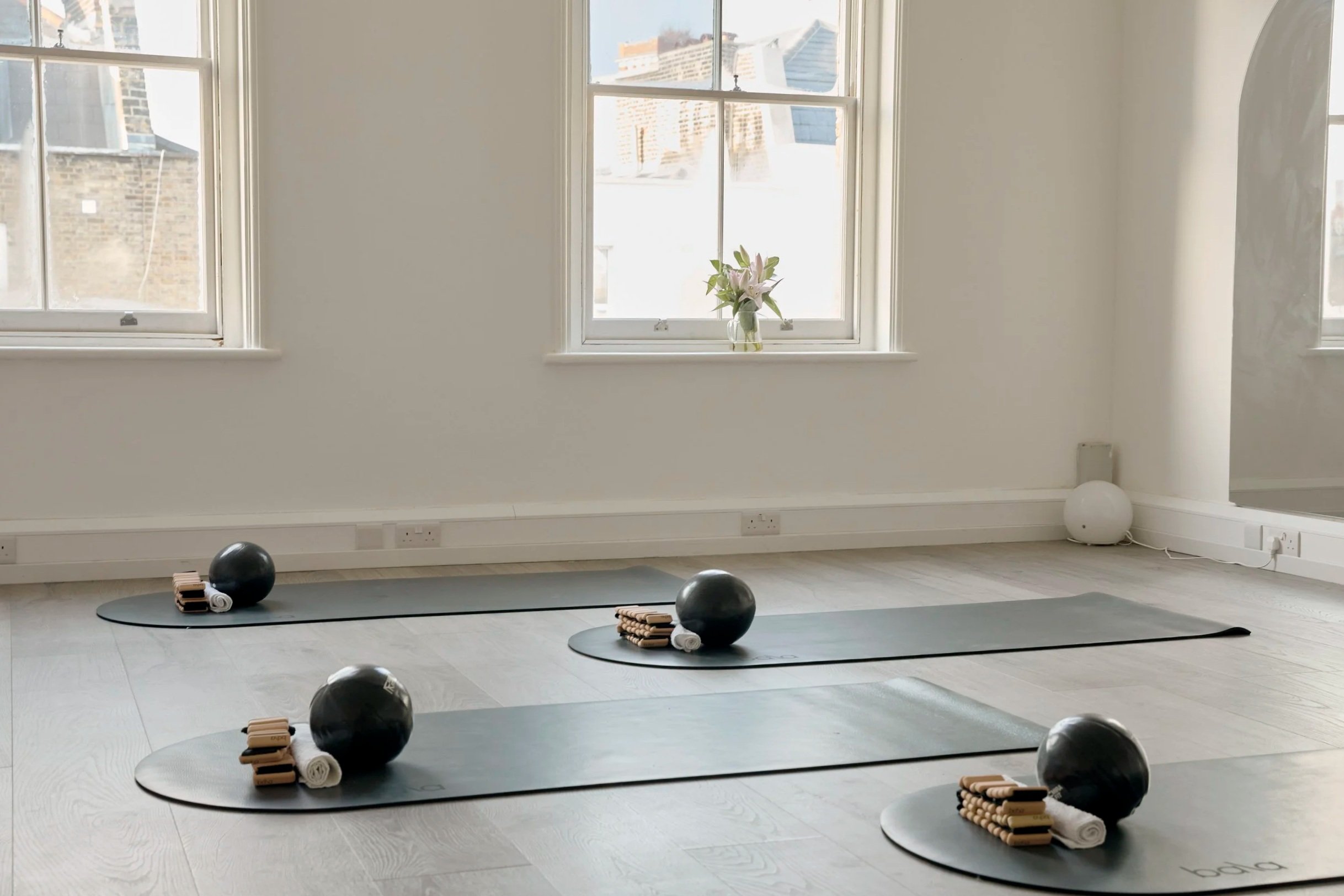
If someone left my studio feeling like they had a physical workout but did not feel any lighter emotionally, I would feel I had failed them.
The Method has four pillars: breath, connection, functional strength and regulation. You can read about how the pillars work together here, but in short, the breath is used to find a deeper connection between mind and muscle; this connection is then harnessed to achieve greater muscle activation and support nervous system regulation. Breathwork is used at the start and end of class to help signal safety to the nervous system. Classes are slow and challenging, designed to keep you present and focused inwards. Teachers’ cues are specifically designed to harness your mind-muscle connection.
If other group Pilates class are becoming larger, louder and faster, the Breathe Method is becoming smaller, quieter and slower.
When practising the Breathe Method, clients cannot hide a lack of muscular control with speed; they must move slowly with control. Equally, they cannot drown out intrusive thoughts with robotic teaching cues and pop music (the old “band aid over a bullethole” approach) but instead must learn to initiate calm through regulating breathwork and presence.
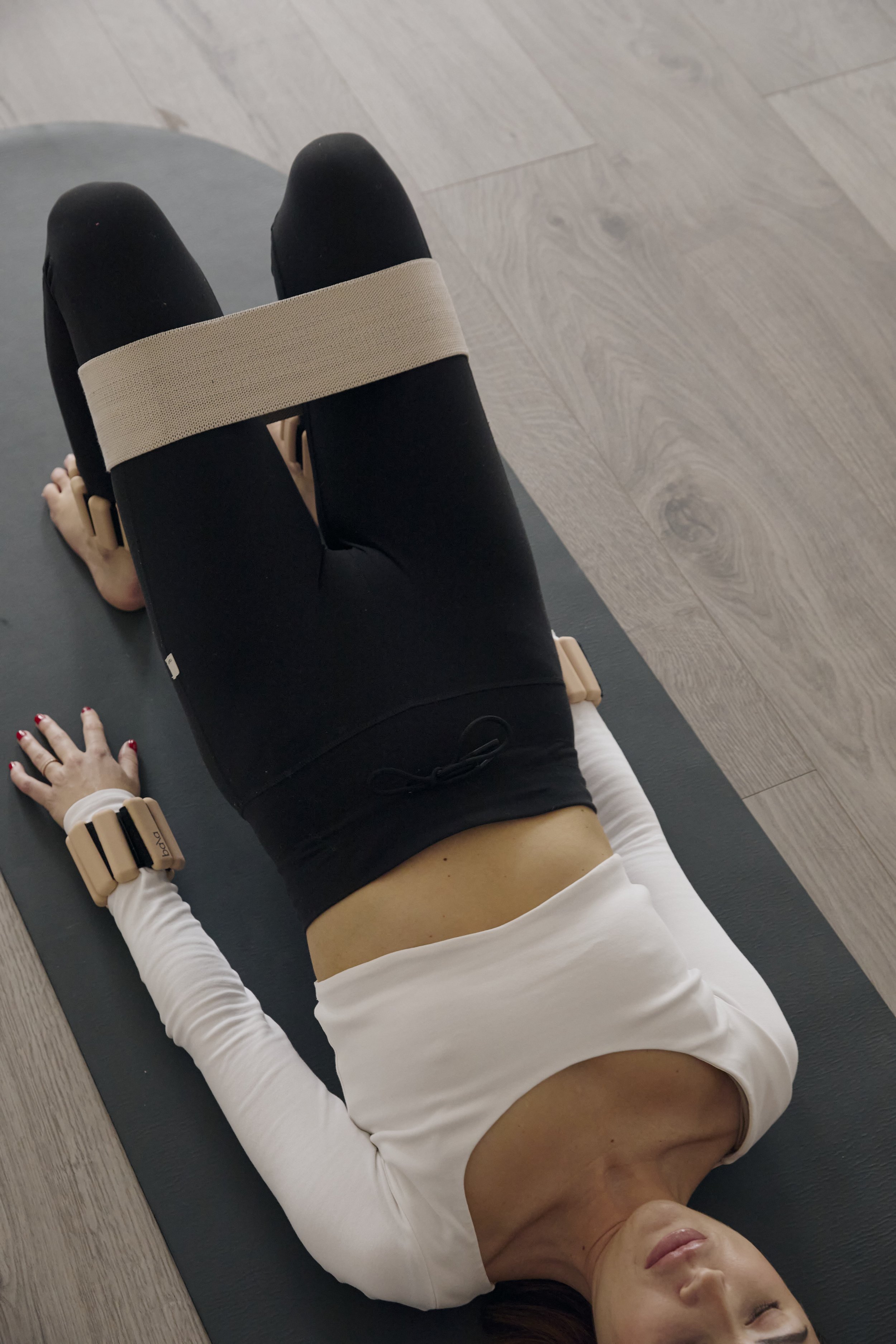
There will always be purists who don’t like the introduction of anything new to the industry, but Pilates is no stranger to change. Since Joseph Pilates opened his first studio in 1926, the practice which came to be known as ‘Pilates’ has been shared, developed and amended over the decades. Even the first generation of teachers, who learned the original repertoire from Joseph Pilates himself, added exercises to his teachings. The ‘six principles’ of Pilates were only codified in the 1980s, and by the time the millennium rolled around, many schools had moved away from key aspects of the original method to reflect significant developments in spinal science and biomechanics.
Just as contemporary Pilates has evolved to honour developments in the science of physical movement, the Breathe Method allows Pilates to also address the mental health needs of modern society. We are busier and more time-poor than ever before. Stress and anxiety are rife. People need the time they dedicate to their wellbeing to nurture more than just their muscles. My Method allows them to do so, without adding to their schedule. It turns what is already an incredible physical practice into an even more complete physical and mental practice.
I hope it is clear from the above that the method will give you all the physical benefits of Pilates. You will – as the tin says – become stronger and more confident in your appearance. I can vouch for this. I am far stronger and leaner at 34, a year post-partum, having done the Breathe Method regularly than I was at 24 doing HIIT six days a week. But the Breathe Method gives you more than this, and it is the ‘more’ that I believe can really change your life.
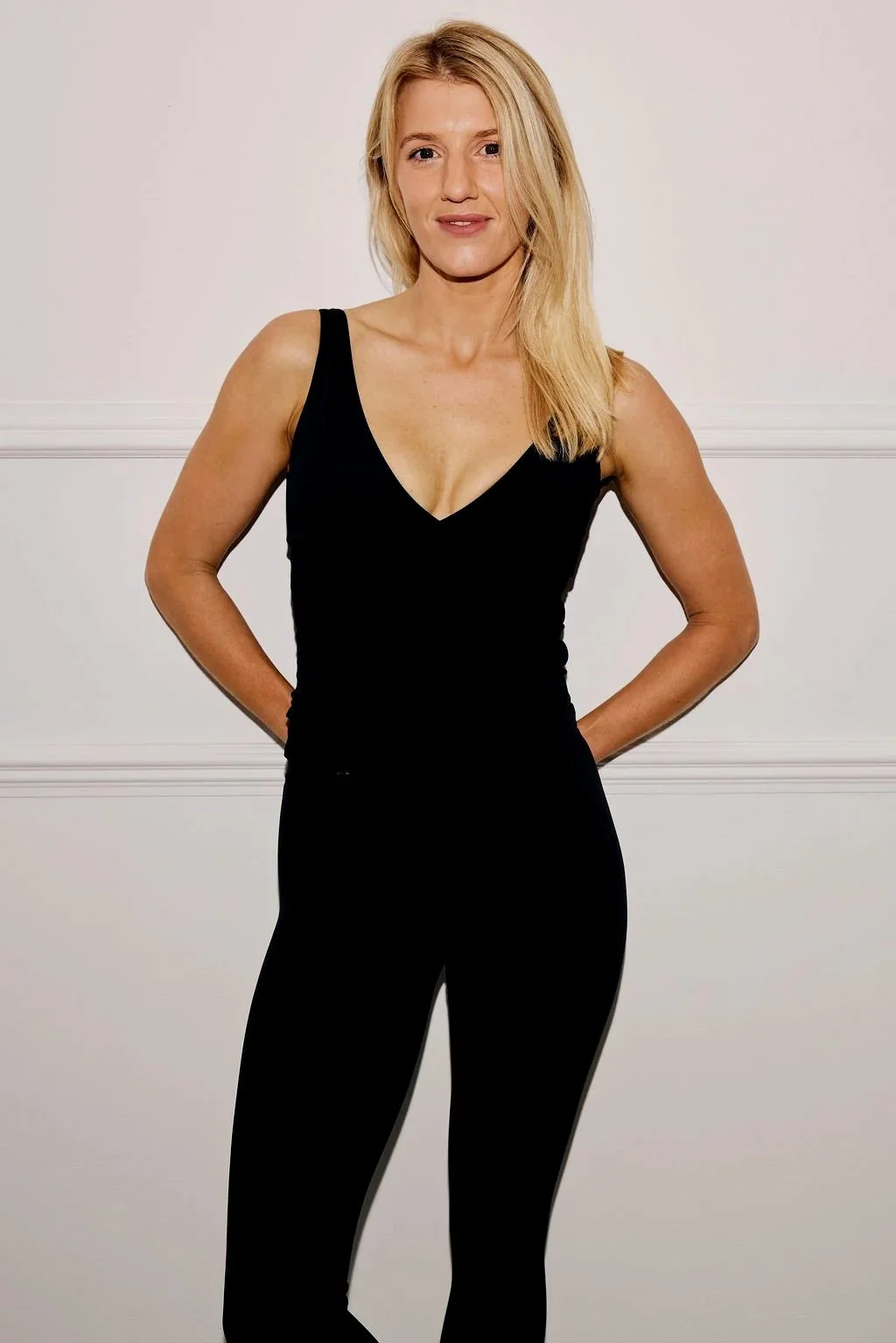
Emma Henderson, founder of The Breathe Method
It makes me proud that my clients spend their time on the mat training their bodies while also regulating their nervous system. I love sending them off into this complicated, modern world knowing they are more grounded, resilient and confident, even if they don’t know it yet themselves.
It is a privilege to help people in that way, and a constant reminder to myself to practise what I preach. Just as you cannot build a strong musculature overnight, it takes time and dedication, the same applies for a regulated nervous system. We must train our mind the way we train our body – I’ll die on this hill.
Emma x